The Critic's Corner Podcast: Mike Spenceley Brings a Creative Eye to AI and Its Impact on Content Operations

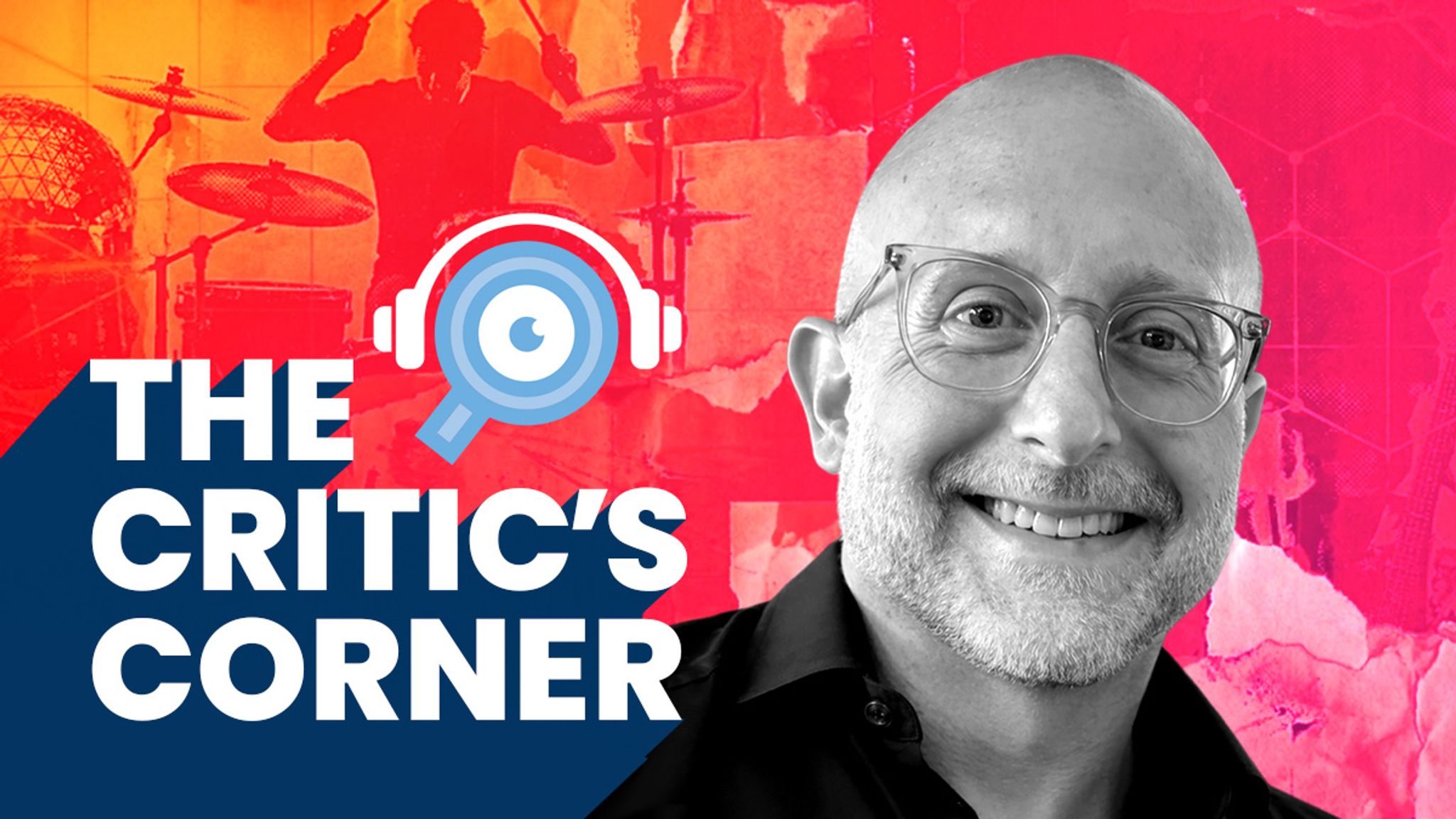
The digital experience and content leader brings his decades of knowledge management to the conversation, sharing insights on how AI is impacting content operations, and why fundamentals matter more than ever.
Listen to the full episode of “The Critic’s Corner” Podcast >
AI is now an intrinsic part of content operations, and teams are harnessing it at every level. AI agents are performing tasks across the content supply chain, and executives want more automation everywhere. Meanwhile, regulation and compliance are reshuffling the deck, putting risk front and center.
In this new landscape, have the foundations of content really changed – or are they simply more exposed?
On this episode of The Critic’s Corner podcast, CMS Critic’s lead analyst and Chief Critic Matt Garrepy talks with Mike Spenceley, a veteran of enterprise knowledge management and content operations at PwC, Johnson & Johnson, and other global, compliance‑heavy enterprises. Mike brings a rare blend of creative and operational perspective – from growing up as a drummer in a deeply musical family to leading large content programs in high‑stakes environments.
Matt and Mike trace his journey from economics and finance into knowledge management just as big firms were standing up centralized functions. They unpack the familiar, persistent content cycle he’s seen for nearly two decades (centralizing, decentralizing and sprawling, then wrestling it back under control) and how AI could be the catalyst that makes content king again.
The human factor and why relationships still matter
Throughout the podcast episode, Mike argues that the foundations of content and content operations haven't changed. Institutions still want clear governance, defined ownership, and a strategy that solves real business problems. As he puts it, even as AI accelerates and tooling gets more sophisticated, the basics are non‑negotiable.
“I think the important thing in this space is that the fundamentals don't go away," Mike says. "As the technology evolves and gets better, and we introduce AI to help support some of this work, the fundamentals are still there. Governance. Content ownership. You need subject matter experts from the business who have the knowledge to really contribute the content, review it periodically, and make sure it's accurate and up to date. They really play an active role in that whole process.”
That human factor is just as critical on the change‑management side. Mike points out that content teams often know what “good” looks like, but can’t assume stakeholders will simply fall in line. Tools and workflows only go so far without relationships, storytelling, and a clear vision for why things must change.
Content operations leaders, he argues, also have to be “relationship‑driven,” meeting business partners where they are and bringing them along on a journey rather than dictating new rules from the center.
Drawing on nearly two decades in content strategy, Mike advocates for treating content more like structured data than just finished pages – providing a record that holds global rules and local nuance for delivering tailored experiences across websites, portals, search, and AI interfaces. Instead of rewriting similar information for every channel and audience, he frames a model where a single record becomes the source of truth, and technology handles how it’s assembled and rendered for different contexts.
That philosophy leads directly to one of Mike’s favorite concepts: MVP content. Rather than starting with everything and trying to cover all the edge cases, he suggests flipping the approach and beginning with the smallest possible set of “minimum viable” content that actually solves a problem.
“I've always had this idea that you should start with what I call MVP content," he says. "What is the bare minimum amount of content you need to solve this problem? And if that doesn't solve it, you can always add more later.”
In large enterprises, that mindset becomes a survival skill. It reduces the volume that needs to be governed, lowers the maintenance burden on subject matter experts, and helps teams avoid the trap of sprawling FAQs and knowledge bases that no one can realistically keep current – especially when regulation and compliance are part of the equation.
How AI is making content king again
From there, the conversation shifts squarely into AI. Mike and Matt examine the impact through three lenses: using AI to support the content lifecycle itself, making content readable and consumable by AI and answer engines, and governing the content that actually trains and powers generative chatbots and agentic experiences. In Mike’s view, this is where AI is putting the crown back on content in a very real, enterprise‑grade sense.
“I've spoken and written about this concept of how AI is making content king again," Mike explains. “For those of us working in large enterprises, we've all known for years and years that there's just a lot of garbage content out there.”
That “garbage” was always a problem, but in a search‑and‑browse world, the damage could be partially contained. Now, as organizations plug AI into those same intranets, portals, and policy libraries, the weaknesses are amplified. Slightly conflicting versions of a policy, audience‑specific nuances that aren’t labeled, or outdated documents that never got retired can all lead to risky or downright wrong answers when an AI becomes the interface.
Finally, Mike and Matt dive into AI in 2026 and where it's helping to make content king again by supporting the entire lifecycle. They discuss the importance of rendering content readable for the new audience of answer engines, and governing the content that powers generative chatbots and agentic experiences. They also thread the needle with AEO (Answer Engine Optimization), MX (Machine Experience), corporate risk, and why relationships still matter more than any tool.
If you’re responsible for knowledge management, content operations, CMS strategy, or AI‑driven experiences, this episode is a practical guide to which fundamentals you can’t outsource to AI – and how these new automated technologies might be putting the crown back on content.
Articles by Mike on CMS Critic:
- The ROI Trap: Why AI Needs More Than Individual Productivity Gains
- An Operating Model to Optimize Content Operations (and Probably Lots of Other Stuff)
- Generative AI is Making Content King Again
- The Pressure is on: Tips for Content Teams During Challenging Times
- What It Takes to Build a High-Performing Content Team
“The Critic’s Corner” Podcast with Mike Spenceley
Upcoming Events
Open Source CMS 26
October 20–21, 2026 – Utrecht, Netherlands
Join us for the first annual edition of our prestigious international conference dedicated to making open source CMS better. This event is already being called the “missing gathering place” for the open source CMS community – an international conference with confirmed participants from Europe and North America. Be part of a friendly mix of digital leaders from notable open source CMS projects, agencies, even a few industry analysts who get together to learn, network, and talk about what really matters when it comes to creating better open source CMS projects right now and for the foreseeable future. Book your tickets today.

Storyblok JoyConf 2026
October 28 - 29, Rheingoldhalle, Mainz (Frankfurt)
JoyConf 2026 is where developers, marketers, and digital innovators come together from all around the world, united by one powerful idea: great content isn’t built by tools alone – it’s built by people who rely on systems to deliver their best work to the world. In an era where technology is increasingly shaped by AI, Content Confidence becomes your competitive advantage. When you can create, manage, and scale content that performs seamlessly across channels, platforms, and AI, you don’t just keep up – you win. Book your seats today.
Sitecore Symposium 2026
November 10 - 12, Orlando, Florida
Welcome to “Marketing Rewired” at Sitecore Symposium 2026! Sitecore's annual flagship global conference brings together customers, partners, developers, marketers, and digital experience leaders to explore the latest innovations in digital experience, content management, AI, personalization, and customer engagement. This year's event features keynote presentations from Sitecore executives and industry experts, product announcements, hands-on learning, technical sessions, customer success stories, and networking opportunities focused on helping organizations build more intelligent, connected, and AI-powered digital experiences. Book your seats today.